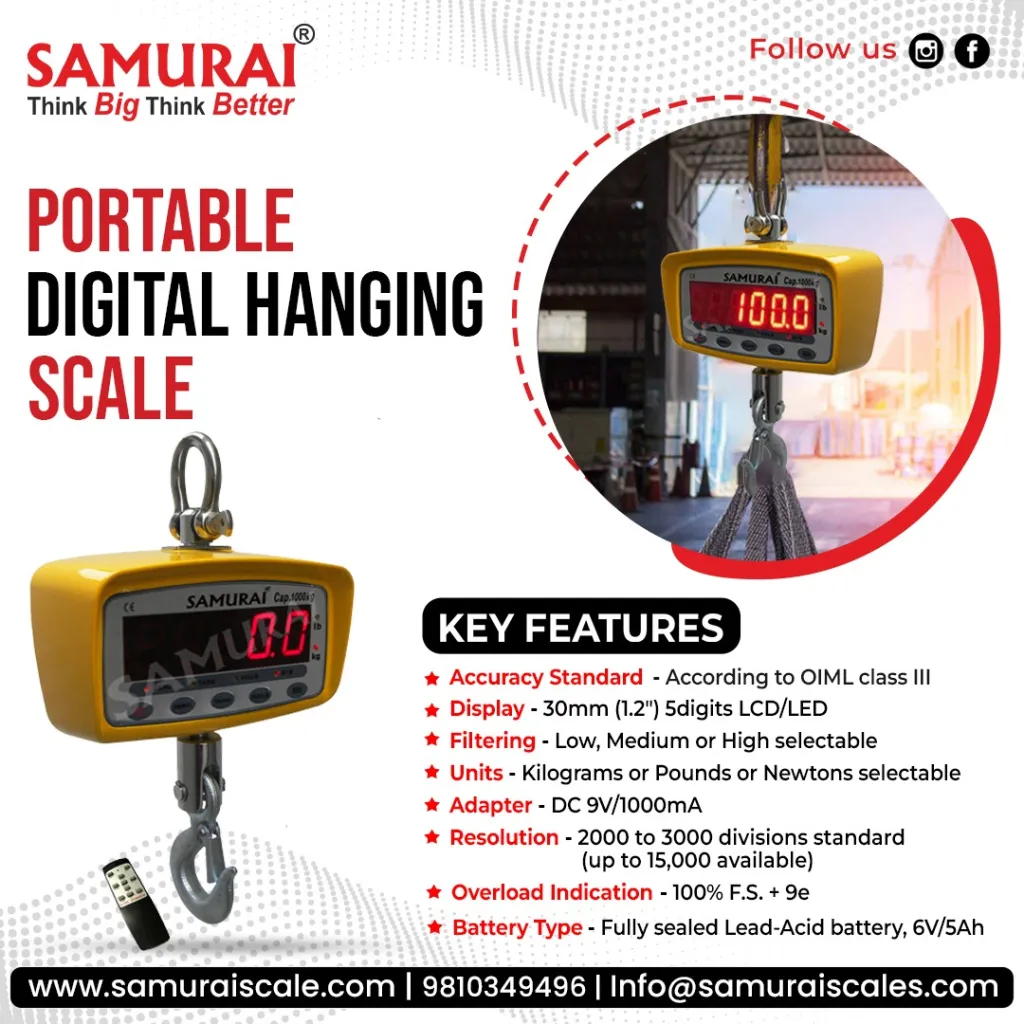
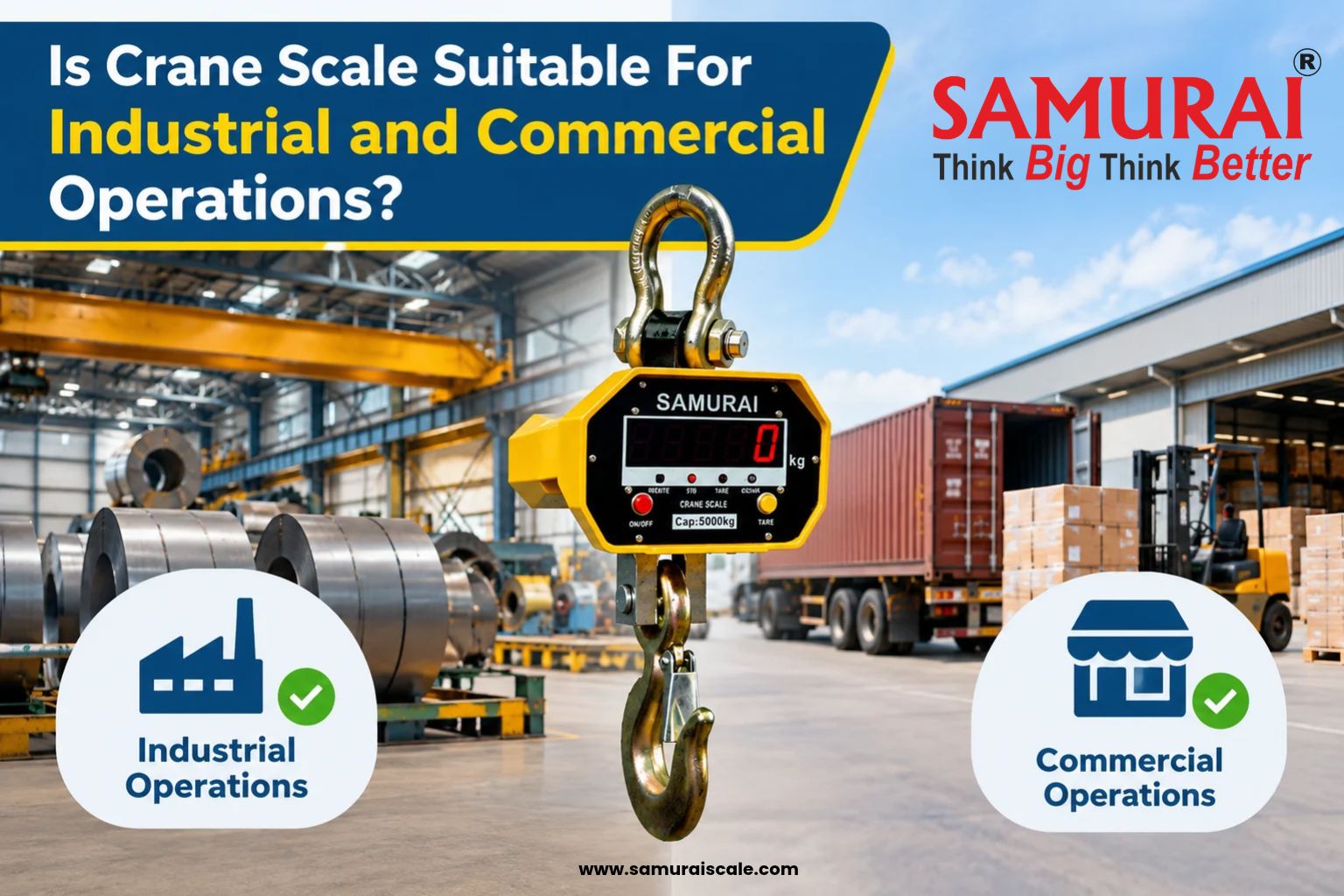
Crane scales play an important role in industries where heavy materials and goods need to be weighed during lifting operations. Also known as hanging scales, these devices are suspended from cranes or hoists to measure the weight of loads without requiring a conventional weighing platform.
From manufacturing plants and warehouses to construction sites and shipping facilities, crane scales help businesses measure heavy loads efficiently. Their suitability depends on factors such as load capacity, weighing accuracy, operating conditions, and safety requirements.
In this blog, we will explore why crane scales are suitable for industrial and commercial operations and the key benefits they offer.
1. Accurate Weight Measurement
Accurate weight measurement is essential in industries such as manufacturing, logistics, construction, and shipping. Crane scales allow operators to measure suspended loads during lifting operations, helping businesses monitor material quantities and manage weighing tasks.
For reliable results, it is important to select a crane scale with an appropriate capacity and resolution. Regular calibration, correct installation, and proper operation also contribute to dependable measurements.
Many models include overload alerts or other safety-related features. However, these features vary by model, and a crane scale should never be used beyond its rated capacity.
2. Suitable for Heavy-Duty Applications
Crane scales are designed to weigh suspended loads and can be useful when handling materials that are difficult to place on a floor scale or platform weighing system.
Depending on their capacity and design, they can be used to weigh metal components, machinery parts, industrial materials, containers, and other suspended loads.
Common applications include:
- Manufacturing: Weighing raw materials, metal components, and finished products.
- Warehousing: Checking the weight of goods during material handling.
- Construction: Measuring suitable building materials and heavy components.
- Shipping and logistics: Weighing suspended cargo where the equipment and operating procedure permit.
- Metal and steel industries: Measuring fabricated components and metal products.
The selected scale must be compatible with the lifting equipment, load type, and working environment.
3. Efficient Weighing During Lifting Operations
One of the main advantages of a crane scale is that it measures weight while a load is suspended. This can reduce the need to move materials to a separate weighing platform, helping streamline material-handling workflows.
In busy industrial facilities, this can save handling time and support smoother operations. Operators should still follow approved lifting procedures, use compatible lifting accessories, and ensure that the load is securely attached before weighing.
A crane scale measures weight; it does not replace the need for a suitable crane, hoist, lifting accessories, or trained personnel.
4. Digital Display and Data Management Options
Many modern crane scales feature digital displays that make weight readings easier to view during lifting operations. Depending on the model, additional features may include remote displays, wireless controls, data transfer, or weighing data storage.
These functions can help businesses record weight measurements and maintain operational records. However, automatic data logging and computer connectivity are not available on every crane scale, so buyers should confirm the required features before purchasing.
For businesses that need digital reporting, choosing a model with compatible data management options can make record-keeping more convenient.
5. Durable Construction for Industrial Use
Industrial weighing equipment must be suitable for the conditions in which it operates. Crane scales are commonly designed with robust housings and components to support regular use in material-handling environments.
The level of protection against dust, moisture, temperature variations, and other environmental conditions depends on the specific model. If a scale will be used outdoors or in harsh industrial settings, check its environmental protection rating and the manufacturer’s operating guidelines.
Proper inspection, maintenance, and calibration are important for extending service life and maintaining reliable performance.
How to Choose the Right Crane Scale
Before purchasing a crane scale for industrial or commercial use, consider the following factors:
- Weighing capacity: Choose a model suitable for the maximum load you need to weigh.
- Accuracy and resolution: Check the specifications to ensure they meet your measurement requirements.
- Safety features: Look for relevant overload warnings and other features offered by the model.
- Display and connectivity: Determine whether you need a remote display, wireless operation, or data recording.
- Operating environment: Check whether the scale is suitable for indoor, outdoor, dusty, or moisture-prone conditions.
- Maintenance and calibration: Ensure that inspection, servicing, and calibration can be carried out as required.
Selecting a crane scale based on these factors can help businesses find equipment suited to their daily weighing operations.
Conclusion
Crane scales can be a practical weighing solution for industrial and commercial operations that involve lifting and handling heavy loads. They support weight measurement during lifting, help streamline material handling, and may offer digital features for convenient monitoring and record-keeping.
The right model depends on load capacity, measurement requirements, safety considerations, and operating conditions. Businesses should always follow the manufacturer’s instructions and use crane scales as part of an appropriate lifting and weighing system.
Samurai Scale offers weighing solutions for industrial and commercial requirements. Explore the crane scale range from Samurai Scale to review available options and identify a model that suits your application.